Start here
Five decisions, in the order they matter. About ten minutes, and you will not need any of the jargon.
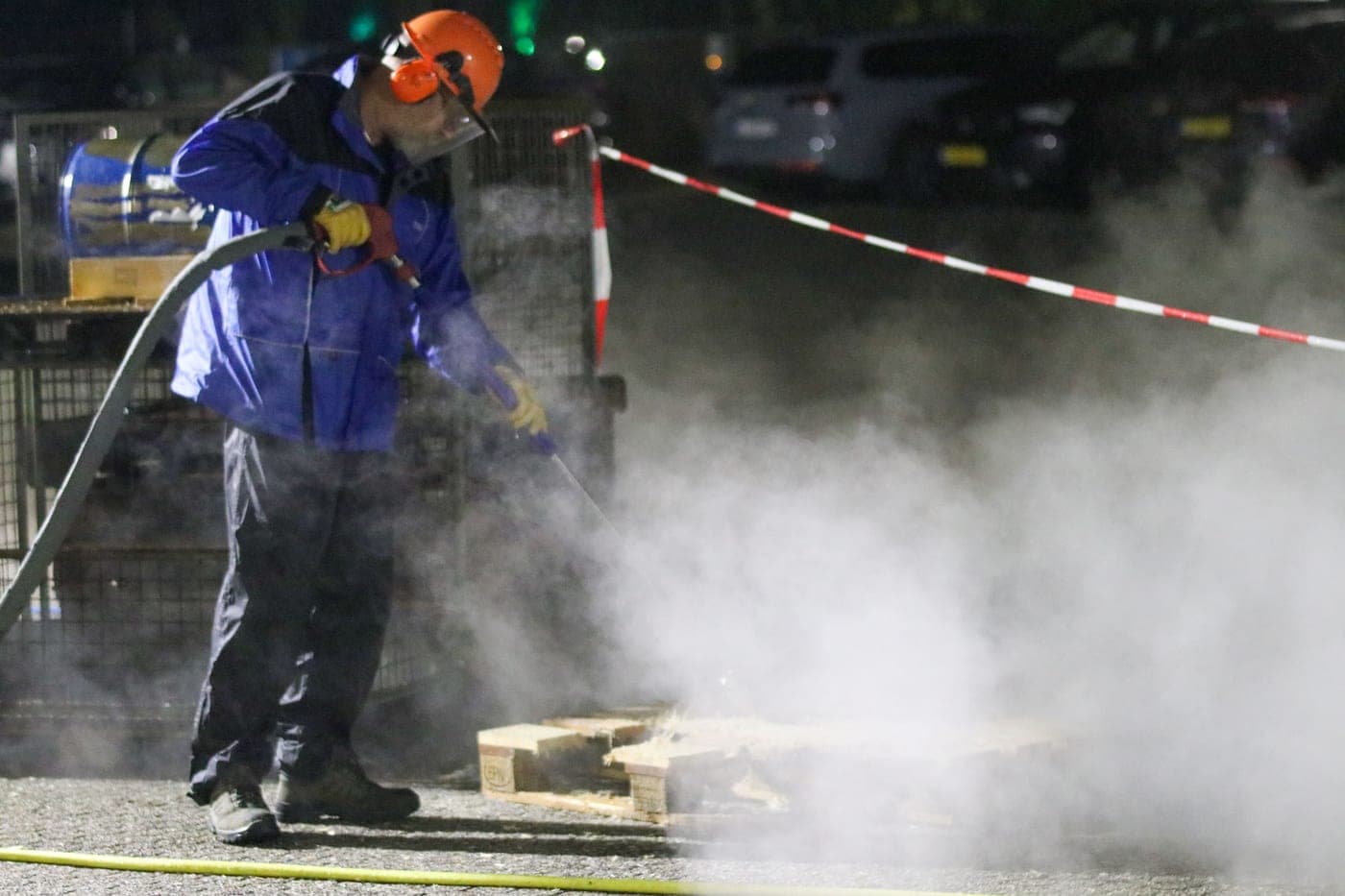
Almost everyone buying a first pressure washer starts in the wrong place: a list of machines sorted by PSI. That is the last decision, not the first, and sorting by pressure is how people end up with a machine that is both too aggressive for their siding and too slow on their driveway.
Work these five steps in order instead. Each one has a short answer here, a link to the page that goes deeper, and — where there is something to buy — the pick that most first-time buyers should default to.
How this is funded: the product links on this page are Amazon affiliate links, and a purchase through one earns this site a commission at no extra cost to you. Commission does not decide what gets recommended or in what order. Read the full disclosure.
1. What are you actually cleaning?
Write down the two or three jobs you have. Not the ones you can imagine — the ones that made you open this page. The list is almost always some combination of a driveway or patio, house siding, a deck or fence, and a car.
It matters because those jobs pull in opposite directions. Concrete wants pressure and flow. Siding and cars want the opposite: low pressure, the right detergent, and patience. A machine chosen for the driveway will damage the siding if you use it the same way, which is why the surface guides matter as much as the buying guides.
Pick your surfaces and read the method first: driveways, house siding, decks, patios, or a car. And before you buy anything, check the surfaces you should never pressure wash — there are more of them than people expect.
If after that list you are not sure you need a machine at all, that is a fair question and we answer it honestly: do I need a pressure washer?
2. Electric or gas?
For a homeowner cleaning their own property, electric is the answer far more often than the internet suggests. It starts with a switch, it is quiet enough to talk over, it needs no fuel, oil or winter carburetor ritual, and it is light enough that it actually comes out of the garage.
Gas earns its place when you are cleaning large areas of concrete regularly, working away from power, or running an attachment that needs more flow than an electric can deliver. It costs more to own in every sense: fuel, maintenance, noise, weight and storage.
The long version, with the specific jobs where each one wins, is in electric vs gas. If you already know it is electric, the shortlist is best electric pressure washers; if it is gas, best gas pressure washers.
3. How much machine do you need?
Two numbers describe every machine. PSI is force: it breaks the bond between dirt and the surface. GPM is flow: it carries the dirt away. Multiply them and you get cleaning units, which track real cleaning speed far better than pressure alone.
This is why a 2,000 PSI machine at 1.2 GPM is beaten by an 1,800 PSI machine at 2.0 GPM on a driveway, even though the first one wins on the spec sheet. It is also why attachments publish a minimum GPM: a surface cleaner starved of flow will not spin.
Read what PSI do I need for the per-surface numbers, and PSI vs GPM explained for why the headline figure on the box is the least useful one on it. Working to a budget? under $200 and under $500 are sorted by what the money actually buys.
4. The attachments that do the work
This is the step beginners skip, and it is the one that decides whether the machine feels good to use. A pressure washer has no power setting — the nozzle is the setting — so a machine with the wrong tip on it feels either useless or dangerous.
Two things change the experience most. A nozzle set rated for your machine’s flow, so you have the right angle for each surface. And, if you have concrete, a surface cleaner: it turns a three-hour striped driveway into a half-hour even one. Check the fit first, because flow decides whether it works: will a surface cleaner work on my pressure washer?
Washing a car? Add a foam cannon and nothing else. For the whole day-one list in one place, see the starter kit guide, and if the colored tips mean nothing to you yet, the color chart takes about a minute to learn.
5. Soap does more of the work than pressure
The single most useful thing a beginner can learn: most of what looks like a pressure problem is a chemistry problem. Detergent plus dwell time removes the organic growth and road film that no amount of pressure will shift safely, and it does it without etching concrete or driving water behind siding.
Soap also only comes out under one condition — the low-pressure black tip fitted, every time. That one fact accounts for most “my detergent is not working” complaints. See how soap injectors work and house wash mix ratios.
Which soap depends entirely on the surface: house wash, concrete, decks, or car soap. Using the wrong one is how people strip a deck stain they meant to keep.
Then: the first wash
Set the machine up once, properly, and it will behave for years: purge the air before you pull the trigger, fit the inlet filter, and never run the pump dry. How to set up a pressure washer is the ten-minute version.
Then read safety for beginners. Not the box-sticker kind — the two or three things that genuinely injure people and ruin houses, including what a zero-degree tip does to skin and why a gas machine must never run in a garage.
And when something goes wrong, it is usually one of a handful of causes: it will not start, it will not build pressure, or the soap will not draw. Almost none of them need parts.